
CSIS Insurance Services, Inc. Blog |
 Contractors' insurance is a vital component of risk management within the construction industry. This specialized insurance coverage is designed to shield both individuals and businesses in the construction sector from an array of potential risks and liabilities. It offers protection against unforeseen events that can significantly impact a construction project. In this article, we will delve into the types of contractors' insurance, its benefits, and the importance of securing the right coverage.
0 Comments
 The quick answer is yes, self-employed individuals and business owners in the contracting industry absolutely need insurance coverage, and for a variety of crucial reasons. Understanding the various insurance options available and the risks of going without coverage is essential to safeguarding your business and ensuring that customers can confidently engage your services.
 Running a contracting business in Thousand Oaks, CA, demands a strategic approach that includes addressing potential risks head-on. Despite the temptation to trim expenses, skipping out on Contractors Insurance is a perilous choice that can have far-reaching consequences. In this article, we delve into the critical reasons why Contractors Insurance is indispensable and why contractors should prioritize comprehensive coverage.
 Contractors Insurance is an essential part of managing risk for contracting businesses in Thousand Oaks, CA. By obtaining the right insurance coverage, contractors can protect themselves and their business from financial losses due to accidents, injuries, or damages that may occur during a project. In this blog, we will explore some strategies for minimizing risk with Contractors Insurance.
 Contractors Insurance is an essential aspect of running a contracting business, yet it is often overlooked or misunderstood. In this blog, we will explore the basics of Contractors Insurance and what every contractor in Thousand Oaks, CA should know.
 When you bring in a tradesperson for home improvements or repairs, the work must be of top-notch quality, and your property must be handled with respect.
Unfortunately, accidents caused by contractors are rarely covered under homeowner’s insurance. While they provide coverage for damages resulting from an act of nature, such as a storm or fire, and some liability claims, a contractor's sloppy artistry is rarely covered.  Unexpected occurrences that could seriously harm your company could result in bankruptcy or a negative reputation if they are not appropriately addressed. If you need money to cover damages, legal fees, and injuries, contractor insurance may help you out financially.
Regardless of the size or kind of your company, you need contractor insurance to safeguard you from financial debts caused by accidents, lawsuits, thefts, and any damages. In addition, contractor insurance can be purchased by a construction worker or employee. 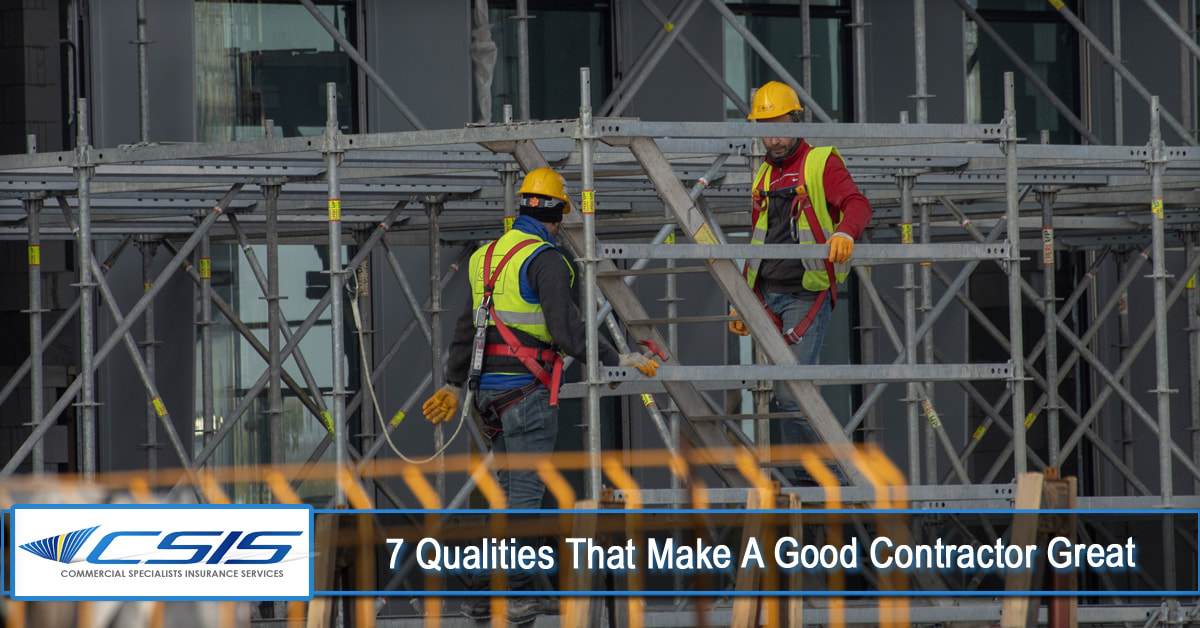 Various types of contractors carry out various tasks on a building project. That’s why contractors require a broad range of hard and soft talents to compete in today's cutthroat construction market. Hard skills include technology and project management. Continual learning is frequently necessary to keep your abilities current. Here are the top 7 qualities that make a good contractor great:
 Contractors' insurance is not something that most people think about until they need it. If you work as a contractor, it's even more critical that you understand what kind of insurance you need to protect your business and your assets. Contractors' insurance might protect you if something goes awry, so you don't lose money on a job.
 The advantage of having general liability insurance is coverage in case of emergency. Having additional protection through a contractor’s insurance policy is usually a good option. Read more to learn about the benefits of having contractor insurance.
|
Contact Us(888) 501-2747 Archives
July 2024
Categories
All
|
 RSS Feed